

Immigration Announcement
Evolution of Canadian Immigration Scenario in the Last 10 Years

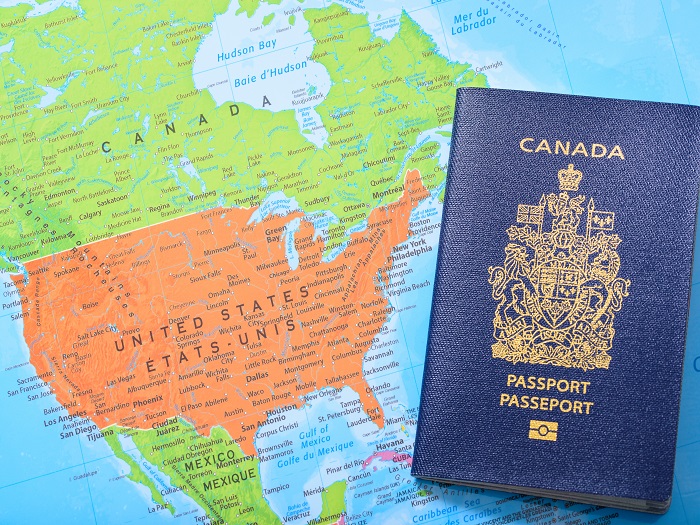

In the past decade, the Canadian immigration system has undergone tremendous changes. Introduced in 2015, the Express Entry system was the biggest change that hit the immigration system.
Canadian Immigration: More Competitive yet Easier
Let’s highlight the evolution of the Canadian immigration scenario in the last ten years:
1. Economic pathway
Until 2015, immigrants could become permanent residents only through the Federal Skilled Worker Program, which took a lot of time to process since the immigration authorities were required to go through every single application manually. When Justin Trudeau’s government introduced the Express Entry system and provincial nominee programs in 2015, the time reduced to less than six months. More programs like the Federal Skilled Trades Program and Canadian Experience Class were added to the system.
2. Family reunification program
Canadian permanent residents and citizens could nominate their parents or grandparents to come to Canada via the Federal Family Reunification Program or the Alberta Immigrant Nominee Program. In 2010, Alberta stopped the program, and the federal government put a 5,000 per year limit on the second program.
In 2015, the government lowered the age of dependent children from 22 years to 19 years. The children can come with their parents to Canada at the same time.
Recently, the federal government passed a rule that allows a couple who has been in a live-in relationship for at least a year to apply for the Express Entry system together. Before that, couples need to be married, and even then, the dependent spouse had to wait for six months to join the one in Canada.
3. Humanitarian Pathway
Before 2012, refugees could come to Canada through government-assisted programs, privately sponsored programs, and inland refugee claimant program. In 2012, the federal government amended the Immigration and Refugee Protection Act that reduced the time taken to bring refugees to Canada. Special preference is given to those from Syria since the country is in a war state since 2011. It takes around two years to bring them to Canada when applied to government assistance programs and around a year via private sponsorship.
Those who cross the US – Canada border illegally can claim asylum too, which takes around three years. According to Canadian laws, they are eligible to work and study until a decision is made.
Canada seems to want the highly skilled workforce to take its economy forward, and you could check your eligibility easily.