

Immigration Announcement
Canada Supports Residents During Natural Disasters, Introduces Special Immigration Measures

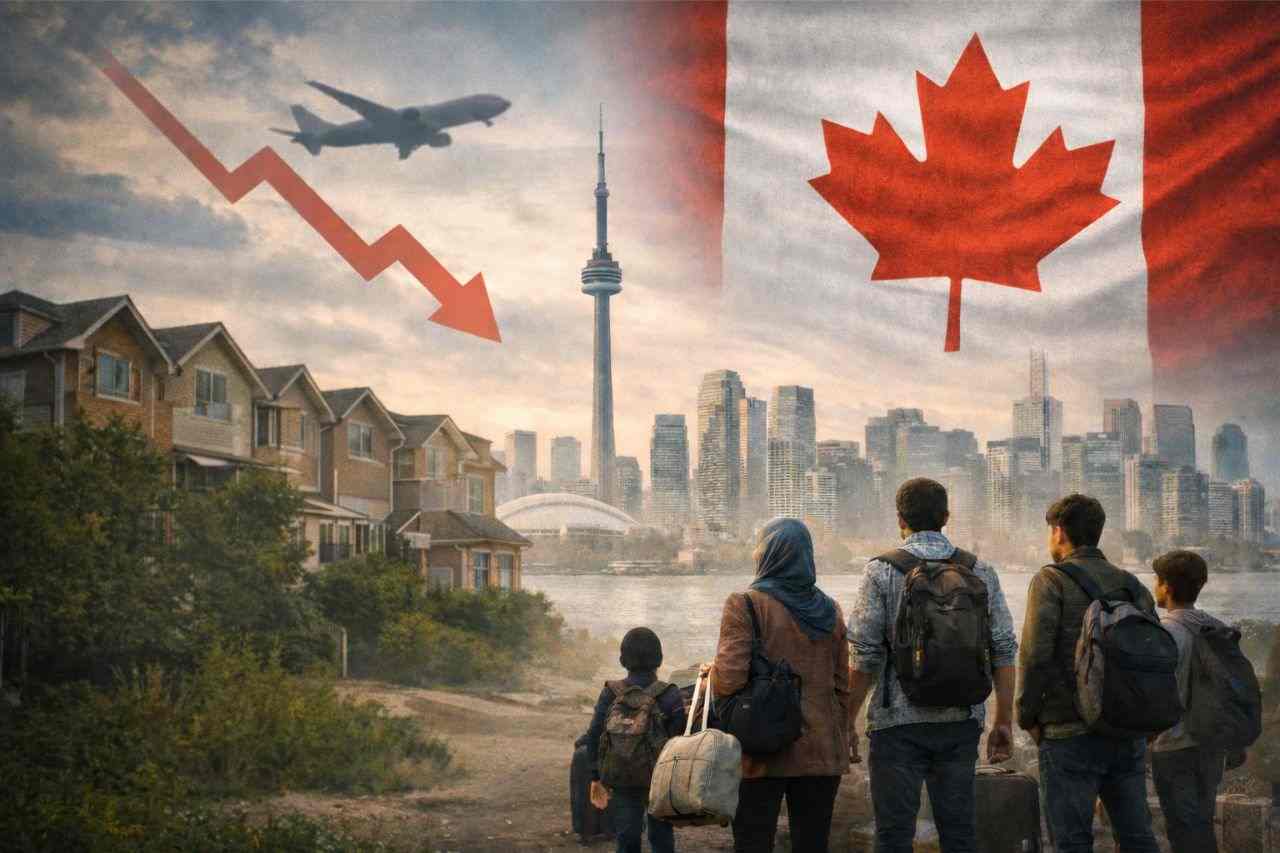
With climate-related events becoming more frequent, the government of Canada has introduced new immigration measures to support individuals affected by natural disasters. As confirmed in the official update, these changes aim to provide flexibility for temporary residents and ensure faster response during emergencies.
This development reflects a practical approach. Canada is not only focused on long term immigration pathways but also on immediate support for people living and working in the country during difficult situations. The new measures offer relief, stability, and faster access to assistance when it is needed most.
Flexible Immigration Support for Temporary Residents
One of the most important aspects of this policy is the flexibility provided to temporary residents. Individuals such as international students, temporary foreign workers, and visitors who are affected by natural disasters can now replace lost or damaged immigration documents. They can also apply to extend or restore their status. In many cases, this can be done even if they are beyond the usual restoration period. This is a significant change, as it removes strict timelines that may not be practical during emergency situations.
Applicants can also renew their work or study permits without facing unnecessary complications. This ensures continuity in employment and education, even during disruptions. Such flexibility helps individuals maintain stability while they recover from the impact of natural disasters.
Source: Canada Supports Residents During Natural Disasters
Faster Entry for Emergency Personnel
Another key feature of the new measures is the support provided to foreign emergency services personnel. These individuals play a critical role in disaster response, especially during large-scale events such as wildfires or floods. Under the new policy, emergency responders from visa-required countries will be exempt from certain application and biometric fees. This allows them to travel to Canada more quickly and assist in relief efforts.
Canada has already seen the importance of such support. Thousands of international emergency personnel have contributed to disaster response efforts in recent years. By reducing administrative barriers, Canada ensures that help can reach affected communities without delay.
Long-Term Implementation of the Measures
These measures are not short-term. They will remain in place for an extended period, allowing Canada to respond effectively to future emergencies. The policy is set to remain active until late November, providing a structured timeline for implementation. This ensures that both residents and emergency personnel can rely on these provisions when needed. The long-term approach reflects the growing importance of disaster preparedness in immigration planning.
Supporting Communities Through Uncertainty
Natural disasters can disrupt daily life in many ways. From loss of documents to challenges in maintaining legal status, individuals may face multiple difficulties at once. Canada’s response focuses on reducing these pressures. By allowing flexible applications and document replacement, the system ensures that affected individuals are not further burdened. This approach supports both recovery and continuity. People can focus on rebuilding their lives while maintaining their legal status in Canada. It also highlights how immigration policies can play a role in broader community resilience.
Strengthening Canada’s Emergency Response System
The introduction of these measures also strengthens Canada’s overall emergency management framework. By enabling faster entry for international responders and providing support to residents, the system becomes more responsive and efficient. This coordinated approach ensures that Canada can manage both immediate response and long-term recovery effectively. It also reinforces Canada’s position as a country that values both preparedness and human-centered policy design.
Canada’s new immigration measures for natural disasters reflect a forward-thinking approach to modern challenges. By offering flexibility to temporary residents and enabling faster access for emergency personnel, the country is ensuring that support reaches those who need it most.
For individuals living in Canada, these measures provide reassurance. They ensure that unexpected events do not disrupt immigration status or future plans. If you are currently in Canada or planning your move, staying informed is essential. Connect with Canada Immigration News to receive accurate updates tailored to your situation.
Frequently Asked Questions (FAQs)
1. Who can benefit from these new Canada immigration measures?
Temporary residents such as international students, foreign workers, and visitors affected by natural disasters can benefit from these measures.
2. Can I restore my status if I missed the deadline?
Yes, in certain cases, individuals can apply to restore their status even beyond the standard restoration period.
3. What happens if my Canada immigration documents are lost or damaged?
You can apply to replace your documents without facing usual restrictions during disaster situations.
4. Are work and Canada study permits included in this policy?
Yes, affected individuals can renew or extend their work and study permits.
5. Who are foreign emergency services personnel?
These are trained professionals from other countries who travel to Canada to assist during emergencies such as wildfires or floods.
6. Do emergency personnel have to pay application fees?
No, under this policy, certain fees are waived to allow faster entry.
7. How long will these measures remain in place?
The measures are expected to remain active until late November, providing long term support.
8. Can I work while my application is being processed?
Yes, individuals applying for extensions may continue working under maintained status.
9. Why is Canada introducing these measures now?
Due to the increasing frequency of natural disasters, Canada is adapting its policies to support affected communities.
10. Where can I find more information?
You can check official immigration resources or can visit Canada Immigration News.