

Immigration Announcement
Canada Immigration Processing Times Rise in 2026

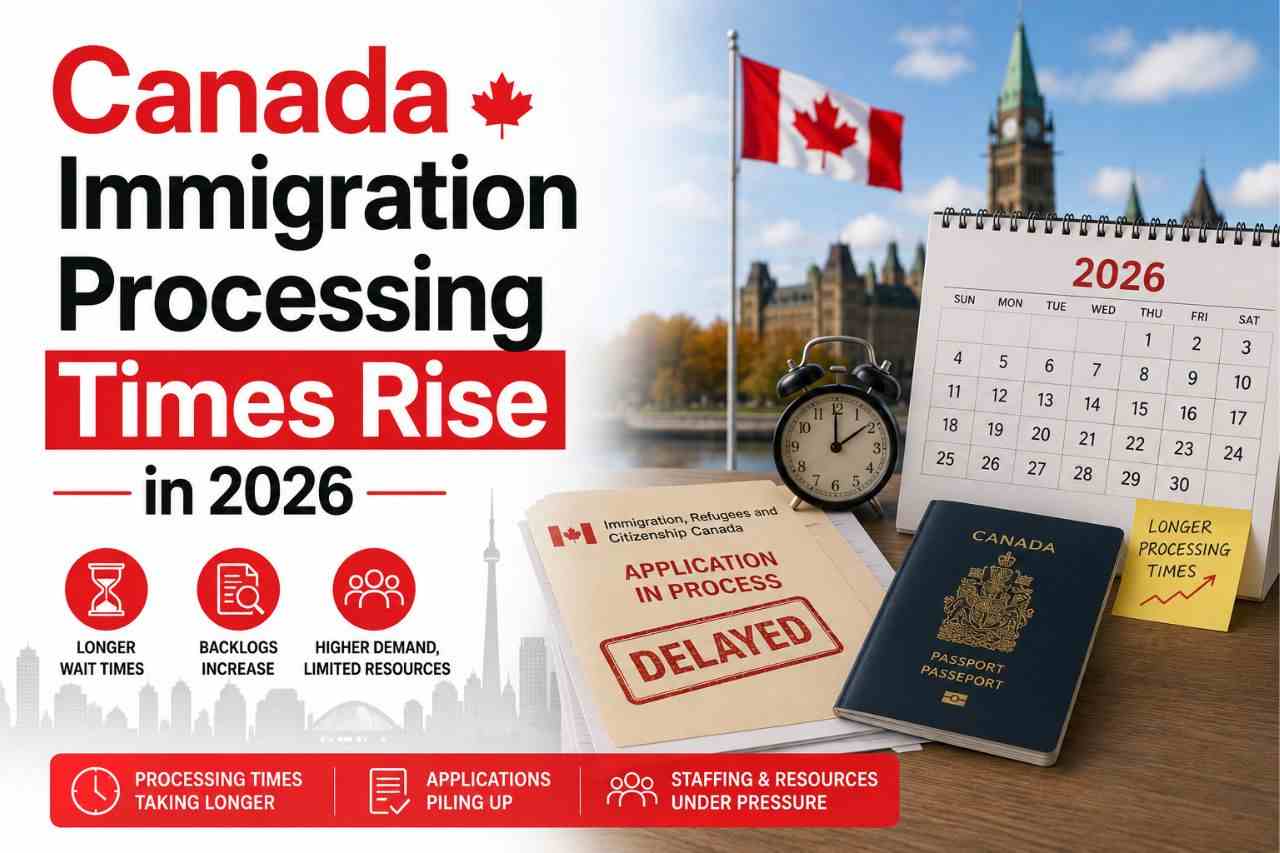

The latest update on Canada immigration processing times shows continued delays across several permanent residence and citizenship streams in 2026. On May 12, 2026, Immigration, Refugees and Citizenship Canada updated estimated timelines for multiple immigration categories, with Provincial Nominee Program applications among the most affected. Non-Express Entry PNP applications are now taking approximately 14 months, while Express Entry-aligned PNP cases are averaging around 7 months.
Many applicants are also reporting additional delays related to background checks, security screening, and rising application inventories. Although some temporary residence streams have improved, permanent residence processing remains slower than expected.
Readers following permanent residence updates and application pathways can also explore the Canada immigration guide on Canada Immigration News.
Current Canada Immigration Processing Times in 2026
Recent IRCC updates show that several permanent residence categories continue facing elevated wait times.
Estimated processing timelines:
| Program | Estimated Processing Time |
| Non-Express Entry PNP | 14 months |
| Express Entry PNP | 7 months |
| Citizenship applications | Varies by category |
| Temporary residence streams | Improved in some cases |
IRCC notes that these timelines are estimates and not guaranteed processing periods.
Why Canada Immigration Processing Times are Increasing
Several factors are contributing to longer immigration processing times in 2026.
Key reasons include:
- Growing application inventories
- Increased security screening requirements
- Background verification delays
- Higher demand across immigration programs
- Staffing and operational pressures
Provincial Nominee Program streams continue experiencing some of the largest backlogs due to rising provincial nomination volumes across Canada.
Permanent Residence Applicants Most Affected
Permanent residence applicants remain the most impacted group under the current system.
Programs experiencing delays:
- Provincial Nominee Program
- Family sponsorship streams
- Non-Express Entry applications
- Some economic immigration pathways
While Express Entry remains comparatively faster, applicants are still seeing fluctuations depending on the category and background review requirements.
Temporary Residence Processing Shows Improvement
Despite delays in PR categories, some temporary residence programs have improved.
These include:
- Visitor visas in selected regions
- Certain work permit categories
- Online application processing systems
IRCC continues investing in digital modernization and automation to improve service delivery.
What Applicants Should Do While Waiting
Applicants facing delays should:
- Regularly monitor their IRCC accounts
- Ensure all supporting documents remain valid
- Respond quickly to additional document requests
- Keep passports and medical exams updated if required
Incomplete applications or expired documents can create further delays.
How Processing Delays May Affect Immigration Plans
Longer wait times can affect:
- Work permit renewals
- Family reunification timelines
- Employer hiring plans
- Permanent residence transitions
Many temporary residents waiting for PR approval may also need to extend temporary status while their applications remain in process.
The latest update on Canada immigration processing times confirms that many permanent residence programs continue facing delays in 2026. Provincial Nominee Program streams remain among the slowest categories, while Express Entry applications continue moving comparatively faster. As application volumes rise and screening requirements increase, applicants should remain prepared for extended timelines while monitoring official IRCC updates closely.
Frequently Asked Questions (FAQs)
1. Why are Canada immigration processing times increasing in 2026?
Processing times are increasing because of higher application inventories, security screening delays, and operational pressures. Permanent residence programs are especially affected. Provincial nominee applications continue facing growing demand. Background checks can also extend timelines.
2. How long do Provincial Nominee Program applications take now?
Non-Express Entry Provincial Nominee Program applications are currently estimated at around 14 months. Express Entry-aligned PNP applications are averaging about 7 months. Actual timelines can vary depending on individual cases. IRCC processing estimates are not guarantees.
3. Are Express Entry applications still faster?
Yes, Express Entry applications remain faster compared to many other permanent residence categories. However, some candidates may still experience delays. Security reviews and document verification can impact timelines. Processing speed also depends on application completeness.
4. Have any immigration streams improved in 2026?
Some temporary residence categories have improved in recent months. Certain visitor visa and work permit streams are processing faster than before. IRCC continues using digital tools to improve efficiency. Permanent residence streams remain more heavily affected.
5. What should applicants do if their application is delayed?
Applicants should monitor their online accounts regularly and respond quickly to IRCC requests. Supporting documents should remain valid throughout processing. Applicants may also need to extend temporary status if required. Keeping records updated can help avoid additional delays.