


Study in Canada
Study Shows Sharp Decline in Canada International Student Enrolment

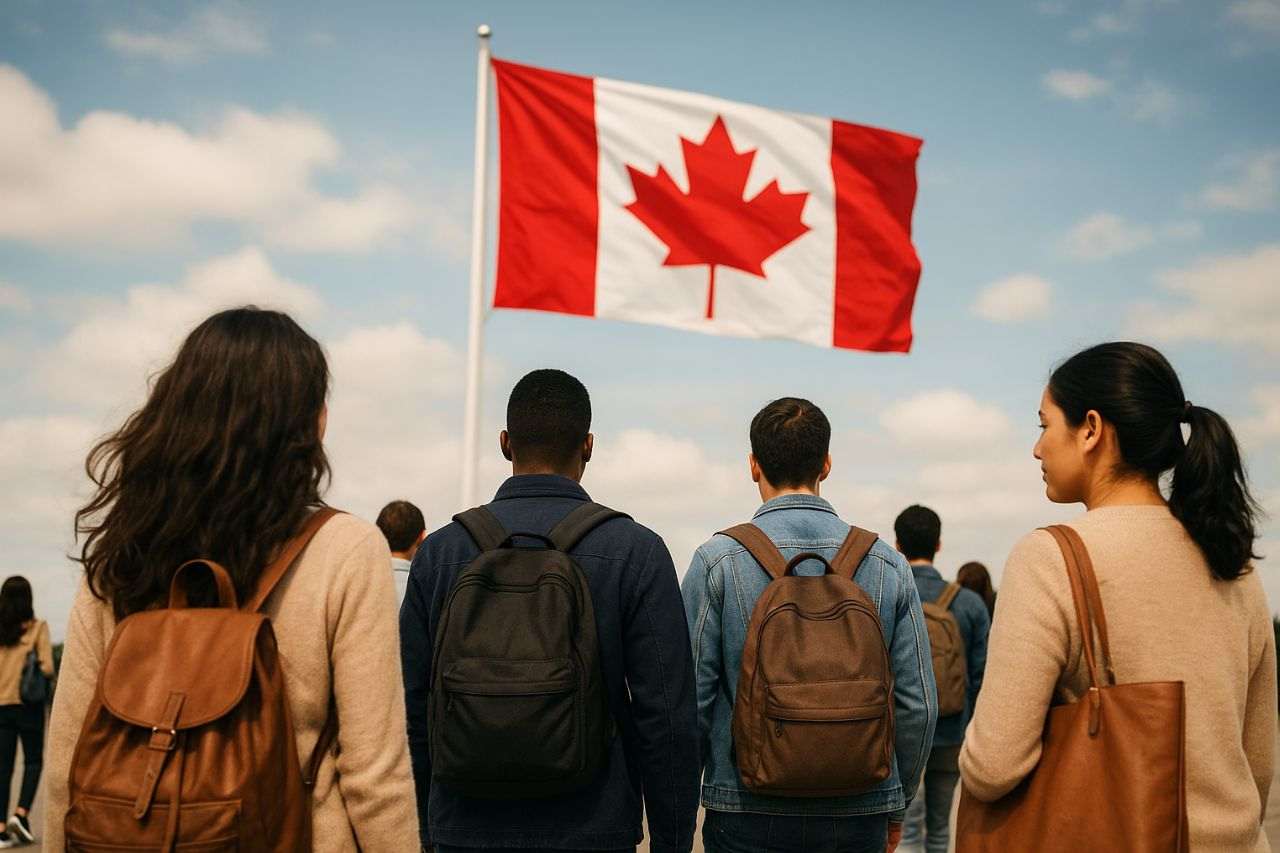

Canada’s education and immigration landscape is undergoing a significant transformation, and the latest update to the international student enrolment cap reveals how policy changes are reshaping the country’s student population. After years of rapid growth, international student numbers are now declining, reflecting a strategic shift in immigration priorities. Recent data confirms that international student enrolment in Canada has dropped sharply after the introduction of stricter controls. This change is not sudden. It is part of a broader plan to manage temporary residents while maintaining long-term sustainability.
Understanding the Canada International Student Enrolment Cap
The international student cap was introduced to control the rapid increase in temporary residents. Over the past two decades, international student numbers have grown significantly. Between early academic years and recent years, enrolment increased nearly eightfold. However, with growing pressure on housing, infrastructure, and public services, the government introduced limits to manage intake. The result is a controlled system where study permits are issued based on national priorities rather than open growth.
Sharp Decline in Student Numbers
The impact of the Canada international student cap is clearly visible in recent data. International student enrolment declined by around four per cent in one academic cycle. This drop became more pronounced in the following year, with a decline of approximately 26 per cent. These reductions have brought student numbers back to levels seen during the pandemic period. This shows how quickly policy changes can reshape the education sector.
Colleges Face the Biggest Impact
The Canada international student cap has affected colleges more than universities. College enrolment dropped significantly, with declines reaching around 40 per cent in recent cycles. Overall, this represents a reduction of more than 40 per cent compared to peak years. Universities also saw declines, but the drop was more moderate. Enrolment in universities fell by around 17 per cent, returning to levels seen before the pandemic. This difference highlights how policy changes are affecting different segments of the education system.
Ontario Sees Largest Decline
The Canada international student cap has had the strongest impact in Ontario. The province, which previously hosted the majority of international students, saw a major reduction. The number of international students in Canada declined significantly across consecutive academic years. Ontario’s share of international students has also dropped compared to previous years. This shift suggests that other provinces may gain a larger share in the future as the system rebalances.
Source: Sharp Decline in Canada International Student Enrolment
Why Canada Introduced the Cap?
The Canada international student cap is part of a broader strategy. The government aims to reduce the proportion of temporary residents in the country. The target is to bring this figure below five per cent of the total population over time. This approach helps manage housing demand, public services, and infrastructure pressure. It also ensures that immigration growth remains sustainable.
Canada Study Permit Targets Reflect New Direction
The latest Canada international student cap is also reflected in study permit targets. Authorities plan to issue up to 408,000 study permits in the current cycle. This includes both new students and extensions for those already in Canada. Compared to previous years, this represents a reduction in overall intake. These controlled targets show a shift from expansion to stability.
For international students, the Canada international student cap brings both challenges and opportunities. Competition for Canada study permits is increasing. Applicants must present stronger profiles and meet stricter requirements. At the same time, a more controlled system can improve the quality of education and student support. Fewer students may also ease pressure on housing and resources. This creates a more balanced environment for those who are selected.
Impact on Immigration Pathways
The international student enrolment cap also affects Canada immigration pathways.
Many students transition to permanent residence after completing their studies. With fewer students entering the system, the number of future applicants may decrease. This could lead to more targeted immigration programs. It also highlights the importance of planning early and choosing the right pathway.
The latest Canada international student enrolment cap update shows a clear shift in Canada’s immigration and education strategy. While student numbers are declining, the goal is to create a more sustainable and balanced system that supports long-term growth.
For students and future immigrants, this is a time to plan carefully and stay informed. Canada continues to offer strong education and career opportunities, but the pathway is becoming more selective.
Staying updated and ahead is important and crucial for your Canada immigration journey. Understanding these changes can help you make better decisions and build a successful future in Canada.
FAQs on Canada International Student Cap
1. What is Canada international student cap, and why was it introduced?
The Canada international student cap is a policy that limits the number of study permits issued each year. It was introduced to manage the rapid growth of temporary residents and reduce pressure on housing, infrastructure, and public services across the country.
2. How much has student enrolment declined in Canada?
Recent data shows that international student enrolment has declined significantly, with a reduction of around 26 per cent in one academic year. This brings enrolment levels closer to those seen during the pandemic period.
3. Which institutions are most affected by the cap?
Colleges have experienced the largest decline in enrolment, with reductions exceeding 40 per cent. Universities have also seen declines, but the impact has been less severe compared to colleges.
4. Which province is most affected by the student cap?
Ontario has seen the biggest drop in international student numbers. It previously hosted the majority of students but has experienced significant reductions due to the cap.
5. How many study permits will Canada issue now?
Canada plans to issue around 408,000 study permits in the current cycle. This includes both new students and extensions for those already studying in the country.
6. Does the student cap affect immigration opportunities?
Yes, the cap may reduce the number of future permanent residence applicants since many students transition to immigration pathways. This makes it important to plan carefully and explore other options.
7. Is Canada still a good destination for international students?
Yes, Canada remains a strong destination due to quality education, career opportunities, and pathways to permanent residence. However, competition has increased due to limited intake.
8. How can students improve their chances of getting a study permit?
Students should focus on strong academic records, clear study plans, and meeting all requirements. Choosing the right institution and program also plays an important role in approval chances.