

Immigration Announcement
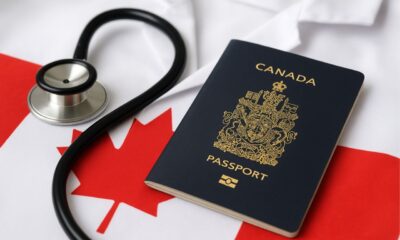
Refugee Healthcare Cuts In Canada Spark Concern Over Access And Long-Term Integration



Canada’s reputation as a welcoming destination for refugees is facing renewed scrutiny following proposed changes to the Interim Federal Health Program (IFHP). The introduction of co-payments starting May 1, 2026, has drawn strong criticism from advocacy groups, including the Canadian Council for Refugees.
At the heart of the debate is a key question, should financial barriers be introduced for some of the most vulnerable newcomers in Canada?
What Changes Are Being Introduced
Under the new policy:
- Refugees will pay $4 per prescription
- They will also cover 30% of costs for services like dental care, vision care, and mental health counselling
While these fees may appear modest, experts argue they could create serious barriers for individuals already facing financial and social challenges.
Source: Canadian Council for Refugees Denounces Cuts to Refugee Healthcare
Why Experts Are Raising Concerns
Refugees often arrive in Canada with complex health needs due to displacement, trauma, and limited access to care in their home countries. Healthcare access is not just a service, it is a critical foundation for successful integration.
Medical professionals warn that delaying treatment due to cost concerns can lead to more severe conditions. This may ultimately increase pressure on emergency healthcare systems, making the policy counterproductive from both a humanitarian and economic perspective.
Lessons From Past Policy Decisions
This is not the first time such changes have been proposed. In 2014, similar cuts to refugee healthcare were challenged in court and ultimately reversed after being deemed harmful.
Advocates argue that Canada risks repeating past mistakes, especially at a time when global displacement levels are at historic highs.
Broader Immigration Context
While refugee programs operate separately from economic immigration streams, they play an important role in Canada’s overall immigration system. Policies that affect refugee support can influence Canada’s global reputation and its ability to attract newcomers across various pathways.
The debate over refugee healthcare cuts highlights the delicate balance between cost management and humanitarian responsibility. As Canada continues to position itself as a global leader in immigration, ensuring equitable access to essential services will remain a defining issue.
Frequently Asked Questions (FAQs)
1. What is the Interim Federal Health Program (IFHP)?
The IFHP provides temporary healthcare coverage to refugees and asylum claimants in Canada. It includes basic medical services as well as supplemental care like dental and vision. The program helps newcomers access essential healthcare before they qualify for provincial coverage.
2. What changes are coming in May 2026?
Refugees will be required to pay $4 per prescription and 30% of certain healthcare costs. These include services like mental health counselling and dental care. The goal is to reduce government spending, but critics say it may create access barriers.
3. Why are these changes controversial?
Advocacy groups argue that even small costs can prevent vulnerable individuals from seeking care. Delayed treatment can worsen health conditions and increase long-term costs for the healthcare system.
4. Will this affect other immigration applicants?
The changes specifically target refugees and claimants, not economic immigrants. However, such policies can influence Canada’s broader immigration reputation and public perception.