


Immigration Announcement
Pictou County RCIP 2026 Launches to Tackle Rural Workforce Shortages

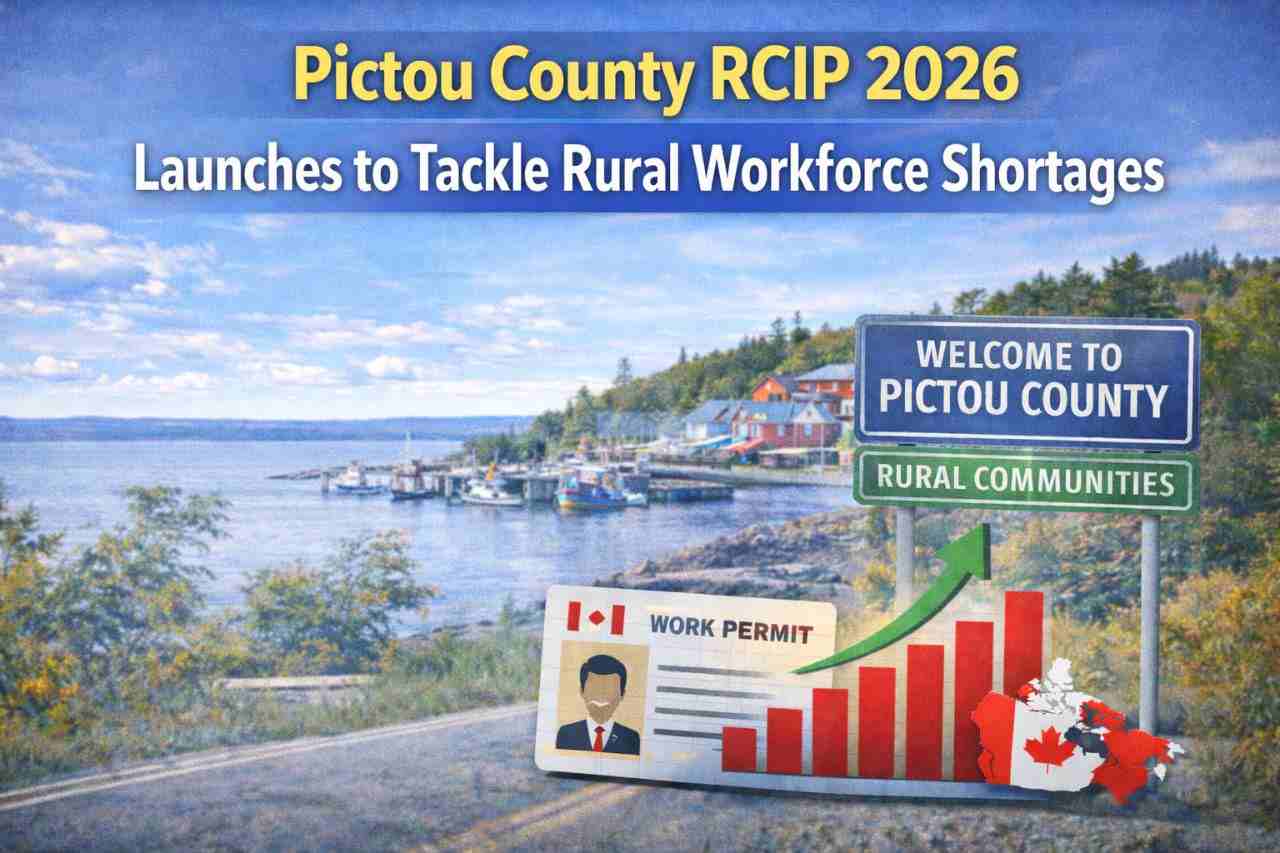
Rural communities across Canada are expanding new immigration pathways, and Pictou County RCIP 2026 is emerging as one of the most closely watched regional programs. Nova Scotia’s Pictou County officially announced the Rural Community Immigration Pilot launch, positioning the initiative as a long-term solution to labour shortages affecting healthcare, trades, manufacturing, and technology sectors. Employer designation applications open February 17, 2026, while the first candidate intake is scheduled from March 1 to March 15, 2026.
The program marks a significant milestone for the region, which is among 14 communities nationwide selected to participate in the federal Rural Community Immigration Pilot framework. Unlike broader immigration programs, RCIP focuses specifically on matching employer-identified labour gaps with international workers willing to settle in smaller communities.
How the Pictou County RCIP 2026 Will Operate
Under the Pictou County RCIP 2026, employers must first receive official designation before they can recommend candidates for permanent residence. Participating businesses must operate within the designated regional boundaries, including municipalities such as New Glasgow, Stellarton, Trenton, Westville, and the Municipality of Pictou County. Once designated, employers can recruit internationally and submit candidate recommendations based on labour needs.
The program includes several priority sectors reflecting regional economic realities:
- Healthcare
- Manufacturing
- Trades and transport
- Sales and services
- Education and community services
- Business and administrative roles
Employers in these sectors will play a central role in selecting candidates whose skills match specific workforce shortages. Candidates must secure a valid job offer from a designated employer before applying for permanent residence through the pilot.
Priority Occupations Highlight Economic Needs
Pictou County has released an extensive list of priority occupations, ranging from software developers and cybersecurity specialists to carpenters, pharmacists, and industrial mechanics. This mix reflects both the region’s traditional industries and emerging technology requirements.
Healthcare occupations, including pharmacists and pharmacy technicians, are especially prominent, demonstrating the continuing pressure on rural medical systems. Skilled trades such as carpenters, automotive technicians, and millwrights are also prioritized due to ongoing construction and infrastructure projects throughout the region.
Settlement Support Aims to Strengthen Retention
One distinctive feature of the Pictou County RCIP 2026 is the region’s integrated settlement approach. Local economic development partners have committed to providing structured integration services designed to help newcomers establish long-term roots in the community. These services include housing guidance, employment transition support for family members, community orientation programs, and connections to educational institutions.
Retention remains a major challenge in rural immigration programs, as newcomers often relocate to larger cities after arriving. By focusing on integration from the earliest stages, Pictou County hopes to build stable population growth while strengthening its workforce.
What Employers and Candidates Should Prepare For
Employers interested in participating must review eligibility requirements carefully, ensure compliance with Nova Scotia labour recruitment regulations, and maintain accurate recruitment records. Candidates should prepare updated resumes, credential assessments where necessary, and language test results to improve their selection chances once employer recommendations begin.
The launch of the Pictou County RCIP 2026 represents a growing national shift toward community-driven immigration models that directly connect workforce planning with regional development strategies. As Canada continues to address demographic challenges, similar regional initiatives are expected to expand nationwide. The Pictou County RCIP 2026 offers both employers and skilled international workers a targeted pathway to permanent residence while helping rural Nova Scotia strengthen long-term labour supply and economic resilience.